
Miniature pig breeds – complete guide to micro pigs and teacup varieties
Miniature pig breeds aren’t just smaller versions of farm pigs – they’re distinct breeds developed specifically for companionship. After 15 years of writing about pets, I’ve learned that most people have no idea what they’re getting into when they consider a “teacup pig.” Let me cut through the marketing hype and show you what these breeds actually look like, how big they really get, and which ones make the best pets.
The truth is, there’s no such thing as a pig that stays puppy-sized forever. Even the smallest miniature pig breeds will reach 25-50 kilograms as adults – that’s the size of a medium dog but with the weight of a large one.
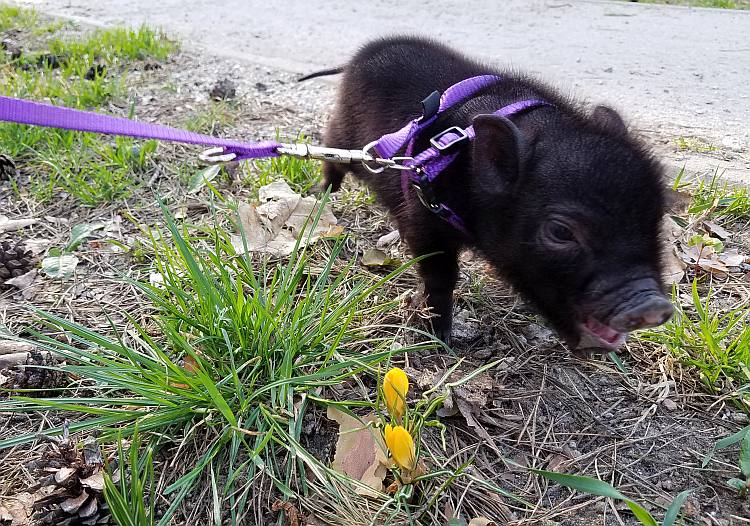
What are miniature pig breeds and where did they come from
Miniature pig breeds emerged in the 1980s through careful crossbreeding programs in the UK and Canada. Breeders combined several pig varieties including the Gloucester Old Spot, Ossabaw Island hog, New Zealand KuneKune, and Vietnamese pig breed to create what became known as the miniature sag pig.
The goal wasn’t just to make pigs smaller – researchers needed laboratory animals that were easier to handle than full-sized pigs but still genetically similar enough for medical research. What they didn’t expect was how popular these breeds would become as pets.
Today’s miniature pig breeds fall into several size categories, though the marketing names can be misleading. Terms like “teacup,” “micro,” and “nano” are often used interchangeably by sellers, but they don’t represent official breed standards.

American mini pig – the most popular pet breed
The American mini pig represents the most common type you’ll find in pet stores and from breeders. These pigs typically weigh between 30-45 kilograms when fully grown and stand about 35-40 centimeters tall at the shoulder.
What makes American mini pigs appealing as pets is their relatively calm temperament and adaptability to indoor living. They’re intelligent enough to be house-trained and can learn basic commands, though they’re more stubborn than dogs.
From my research into breeding programs, American mini pigs are actually a mix of several breeds rather than a pure bloodline. This crossbreeding has made them hardier and less prone to the health issues that affect some purebred miniature pig varieties.
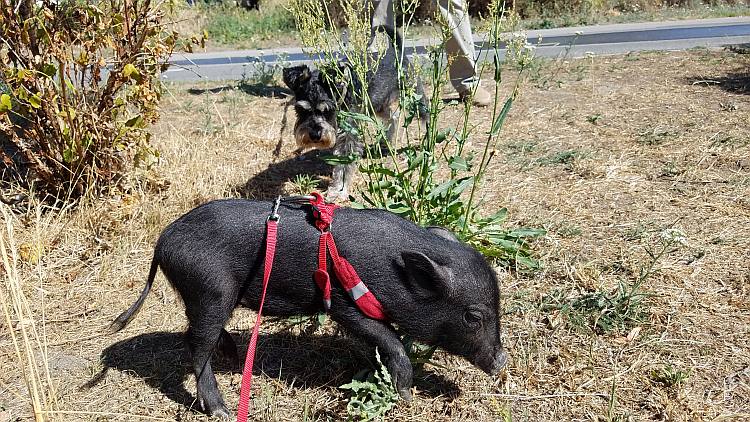
Vietnamese pot-bellied pigs – the original mini breed
Pot bellied pig breeds were among the first miniature pigs imported to North America in the 1980s. Originally from Vietnam, these pigs were brought to zoos and eventually made their way into private ownership.
Vietnamese pot-bellied pigs are slightly larger than other miniature breeds, typically weighing 35-50 kilograms. They’re characterized by their distinctive sagging belly, straight tail, and erect ears. Their coats come in solid black, white, or spotted patterns.
What sets pot-bellied pigs apart is their social nature – they form strong bonds with their owners and can become quite protective of their territory. However, they also have a reputation for being more aggressive than other miniature pig breeds if not properly socialized.
- Adult weight: 35-50 kg
- Height: 35-45 cm
- Lifespan: 12-18 years
- Temperament: Social but can be territorial
- Best for: Experienced pig owners with outdoor space
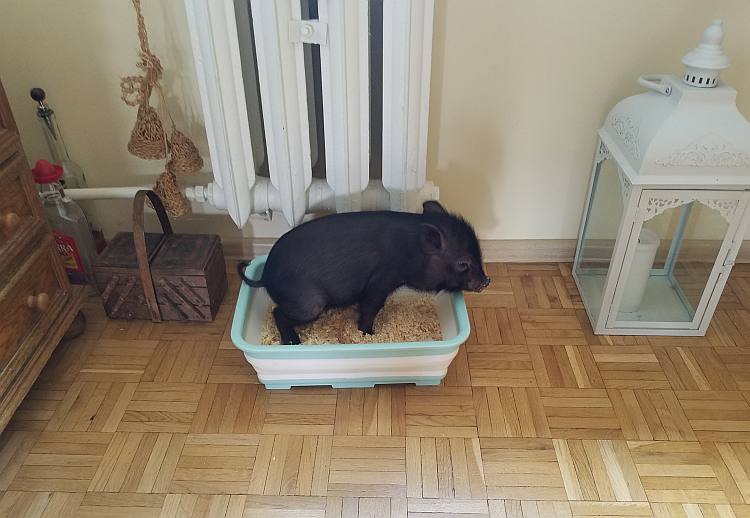
Juliana pig breed – the colorful companion
The Juliana pig breed stands out for its spotted coat patterns and smaller size compared to pot-bellied pigs. These pigs typically weigh 25-35 kilograms and have a more refined build with longer legs and a less pronounced belly.
Juliana pigs were developed more recently than Vietnamese breeds, with breeders focusing on creating a pig that looked less “farm-like” and more suitable for indoor living. Their spotted coats come in various color combinations including black and white, red and white, and tri-color patterns.
In my experience talking to Juliana pig owners, these animals tend to be more active and playful than pot-bellied varieties. They’re also generally easier to house-train, though they still require consistent outdoor access.
KuneKune pig breed – the gentle grass-eaters
The KuneKune pig breed originated in New Zealand and is known for its docile temperament and unique grazing behavior. Unlike other pigs that root and dig, KuneKunes are primarily grazers that can maintain pasture like sheep or goats.
These pigs are on the larger end of the miniature spectrum, with adults weighing 40-60 kilograms. They have a distinctive appearance with their short, upturned snouts and often sport “tassels” – small appendages that hang from their lower jaw.
KuneKune pigs come in various colors and coat patterns. Their calm nature makes them excellent for families with children, but their size and grazing needs mean they’re better suited to rural properties rather than urban homes.
| Breed | Weight (kg) | Height (cm) | Best Environment | Temperament |
|---|---|---|---|---|
| American Mini Pig | 30-45 | 35-40 | Indoor/Outdoor | Calm, adaptable |
| Vietnamese Pot-Bellied | 35-50 | 35-45 | Outdoor preferred | Social, territorial |
| Juliana | 25-35 | 30-35 | Indoor/Outdoor | Active, playful |
| KuneKune | 40-60 | 40-50 | Rural/Pasture | Gentle, calm |
Understanding teacup pig breeds and micro pig marketing myths
Let me be direct here – teacup pig breeds as advertised don’t exist. The term “teacup pig” is a marketing invention used to sell regular miniature pig breeds to unsuspecting buyers who expect a permanently tiny animal.
What sellers call “teacup pigs” are usually young piglets of standard miniature breeds, often underfed to maintain their small size. A healthy pig will continue growing until 3-5 years of age, regardless of what the breeder promised.
The same applies to micro pig breeds – this is another marketing term rather than a recognized breed category. Even the smallest legitimate miniature pig breeds will reach at least 25 kilograms when properly fed and cared for.
Red flags when shopping for miniature pigs
- Promises of pigs staying under 15 kilograms
- Claims about “teacup” or “micro” breeds
- Breeders who won’t show you the parent pigs
- Extremely young piglets (under 8 weeks) for sale
- No health certificates or breeding records
Rare and specialty miniature pig breeds
Beyond the common breeds, several rare varieties exist for those seeking something unique. The Meishan pig breed from China is known for its wrinkled face and excellent mothering abilities, though they’re larger than typical pet breeds.
The American Guinea hog is actually a heritage breed that’s naturally small, weighing 45-90 kilograms. While larger than other miniature breeds, they’re known for their excellent foraging abilities and calm temperament.
Yucatan pig breed pigs were developed for laboratory use and are among the smallest true breeds, typically weighing 25-35 kilograms. However, they’re rarely available to private owners due to their specialized breeding programs.
The Hanford mini pig is another laboratory-developed breed that occasionally appears in the pet trade. These pigs were bred for consistency in size and temperament, making them potentially good pets for experienced owners.
Choosing the right miniature pig breed for your situation
The psychology behind choosing a pet pig is often based on unrealistic expectations. Before you fall in love with the idea of a tiny pig, consider these practical factors that most people ignore.
Space requirements vary significantly between breeds. Juliana pigs can adapt to smaller spaces with daily outdoor time, while KuneKune pigs need permanent pasture access. American mini pigs fall somewhere in between, requiring a secure outdoor area but not necessarily large acreage.
Local regulations are crucial – many cities prohibit pigs as pets, classifying them as livestock regardless of size. Check your local zoning laws before purchasing any miniature pig breeds.
Best miniature pig breeds for beginners
If you’re new to pig ownership, I recommend starting with an American mini pig or Juliana pig. These breeds are more forgiving of beginner mistakes and adapt better to varied living situations than pot-bellied or KuneKune pigs.
Avoid Vietnamese pot-bellied pigs as a first pig – their territorial nature requires experienced handling. Similarly, KuneKune pigs, while gentle, need specialized pasture management that novice owners often underestimate.
Health considerations and care requirements by breed
Each miniature pig breed has specific health considerations that potential owners must understand. From my research into veterinary literature, certain breeds are prone to particular issues.
Pot-bellied pigs often develop arthritis due to their body structure, especially if they become overweight. Their low-slung bellies also make them prone to skin infections if kept in damp conditions.
Juliana pigs, being more refined in build, can suffer from leg problems if they don’t get enough exercise. Their active nature means they need more mental stimulation than other breeds to prevent destructive behavior.
KuneKune pigs are generally hardy but can develop hoof problems if kept on hard surfaces instead of pasture. Their grazing nature also means they need different nutritional management than other breeds.
- Highly intelligent and trainable
- Long lifespan (12-20 years)
- Clean animals when properly managed
- Form strong bonds with owners
- Still weigh 25-60 kg when adult
- Require specialized veterinary care
- Can be destructive if bored
- May be illegal in your area
Where to find reputable miniature pig breeders
Finding legitimate miniature pig breeds requires careful research. The North American Potbellied Pig Association maintains breeder directories, though not all good breeders are members.
What the sources don’t tell you is that many “breeders” are actually just resellers who buy piglets from commercial operations and mark up the prices. A reputable breeder will always show you the parent pigs and provide detailed health records.
Expect to pay £300-1000 for a well-bred miniature pig, with rarer breeds commanding higher prices. Extremely cheap pigs are often either sick, poorly bred, or not actually miniature breeds.
Before you buy into the trend of pig ownership, visit the breeder in person. Meet the parent pigs to get a realistic idea of your piglet’s adult size. Any breeder who refuses this request should be avoided.
The research actually shows that most miniature pig surrenders happen when the animals reach adult size and owners realize they’re much larger than expected. Don’t become part of this statistic – understand exactly what you’re committing to before bringing home your pig.
For those interested in other small pet options, you might want to explore guinea pig breeds and their unique characteristics, which offer companionship in a much smaller package.


