
Dream wedding dress – how to find your perfect gown within budget
Your dream wedding dress doesn’t have to cost a fortune – with the right approach, you can find a stunning gown that fits both your vision and budget. After 15 years of cutting client fluff in marketing copy, I’ve learned that the wedding industry loves to overcomplicate simple decisions. Here’s what actually matters when hunting for your perfect bridal gown.
The key is knowing your options before you step foot in any bridal boutique. Most brides get swept up in the salon experience without considering alternatives that could save them thousands while still delivering that stunning appearance they’re dreaming of.
How to find your dream wedding dress style
Before diving into budgets and shopping strategies, you need to identify what makes a dress your “dream gown.” The most popular search right now? Lace wedding dress with sleeves – and there’s good reason for this trend.
Sleeves add elegance and solve the common problem of feeling exposed during ceremony photos. They also work beautifully across seasons, making them practical beyond just aesthetics. From a copywriter’s perspective, this trend reflects brides wanting both romance and comfort – not just one or the other.
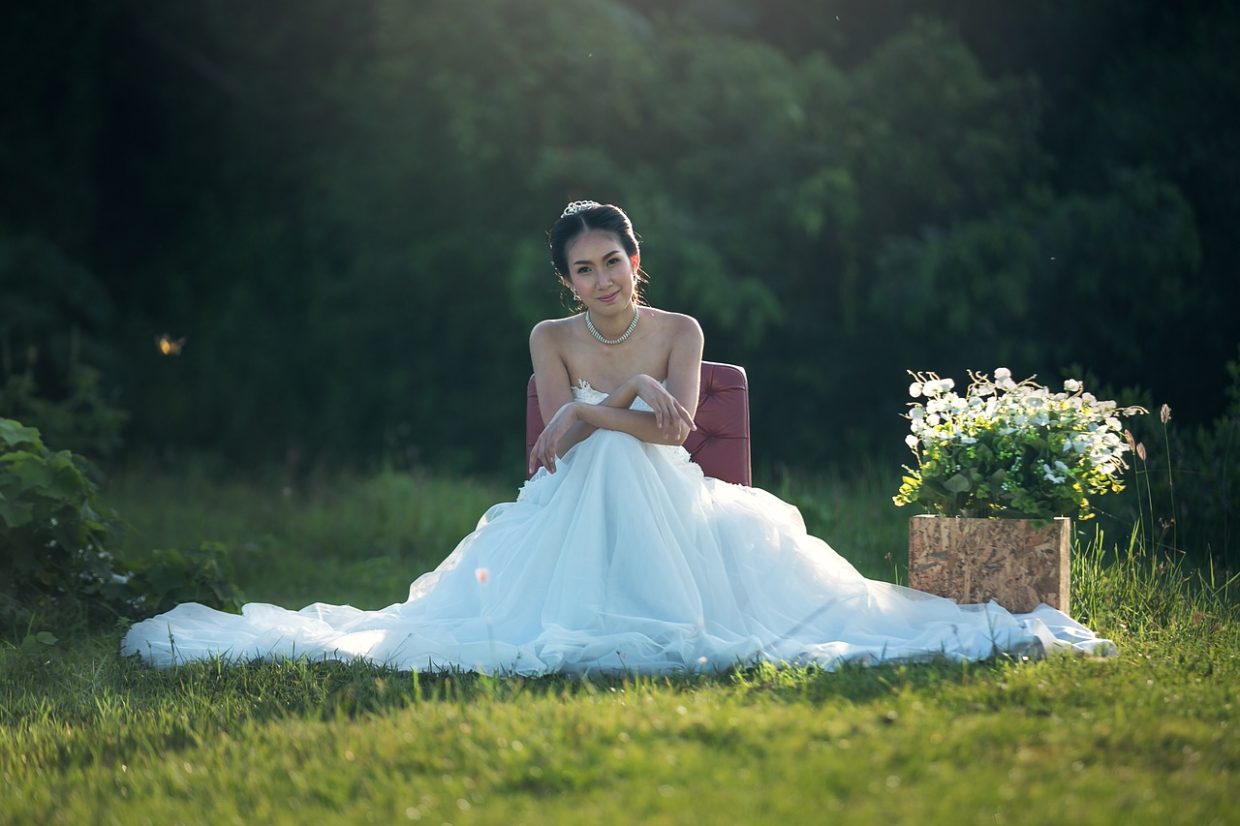
Start by collecting inspiration from multiple sources. Pinterest remains the go-to platform, but don’t overlook Instagram accounts of dream bridal boutique locations and designer collections. The dream maker bridal collection showcases how modern designers blend classic elements with contemporary touches.
Consider your venue and season when narrowing down styles. A flowing princess gown might be your Pinterest obsession, but if you’re getting married on a beach in July, you’ll want something more practical. I’ve seen enough marketing copy to spot when venues push certain dress styles – choose based on your comfort, not their photo opportunities.
Popular dream wedding dress silhouettes
- A-line gowns – universally flattering and comfortable for long ceremonies
- Ball gowns – perfect for formal venues and Disney fairytale wedding dresses inspiration
- Mermaid styles – dramatic and figure-hugging for confident brides
- Sheath dresses – sleek and modern, ideal for intimate ceremonies
Dream wedding dress budget planning essentials
Let me dig into what the research actually shows about wedding dress spending. The average bride spends between $1,000-$1,500 on her gown, but this varies dramatically by region and personal priorities.
Here’s the reality most bridal magazines won’t tell you: your dress budget should align with your overall wedding budget, not industry averages. If your total wedding budget is $15,000, spending $3,000 on a dress leaves you scrambling for other essentials.
The psychology behind bridal dreams often conflicts with practical spending. I’m not claiming to be a financial expert here, but the data suggests that brides who set firm budgets before shopping report higher satisfaction with their final choice.
Budget breakdown by dress source
| Option | Price Range | Pros | Considerations |
|---|---|---|---|
| Bridal salon (new) | $800-$3,000+ | Perfect fit, yours to keep | Highest cost, long lead times |
| Rental | $200-$800 | Designer gowns at fraction of cost | Limited alteration options |
| Second-hand | $300-$1,200 | Significant savings, still yours | May need more alterations |
| Sample sales | $400-$1,500 | Designer gowns, immediate availability | Limited sizes, as-is condition |
Buying vs renting your dream wedding dress
This decision comes down to more than just money – though that’s obviously a major factor. From my research into bridal industry practices, here’s what most articles won’t tell you about each option.
Buying new gives you complete control. You can alter it extensively, keep it as a keepsake, or resell it later. The downside? You’re paying full retail for something you’ll wear once. Many brides justify this expense by planning to preserve the dress, but storage and preservation add another $200-$400 to your total cost.
Renting has evolved significantly. Modern rental companies offer designer gowns that would retail for $3,000-$5,000 for around $400-$800. The catch? Limited alteration options and strict return timelines. You typically have 4-8 days total, including your wedding day.
When renting makes sense
- You want a designer gown but have a modest budget
- You’re not sentimental about keeping the dress
- Your size aligns well with standard rental inventory
- You’re comfortable with minimal alterations
When buying is worth the investment
- You need extensive alterations for the perfect fit
- You want to preserve the dress for sentimental reasons
- You plan to resell after the wedding
- You found “the one” and can’t imagine wearing anything else
Custom dream wedding dress design process
Going custom isn’t just for celebrities with unlimited budgets. Many local seamstresses and smaller designers create beautiful custom gowns for $1,200-$2,500 – often less than high-end salon dresses.
The process typically takes 4-6 months, so plan accordingly. You’ll have multiple fittings, usually 3-5 appointments, to ensure the perfect fit. This is where you can incorporate specific elements from your dream gown inspiration without compromising on fit or quality.
Before you dismiss this as another trend, consider the psychology behind it. Custom gowns eliminate the common anxiety of “what if someone else has my dress?” They also solve fit issues that plague off-the-rack shopping, especially for brides with non-standard proportions.
Questions to ask potential custom designers
- How many fittings are included in the base price?
- What’s the timeline from first consultation to final fitting?
- Can you work with inspiration photos from multiple sources?
- What happens if alterations are needed after the final fitting?
- Do you provide a backup plan if the dress isn’t ready on time?
Dream wedding dress shopping timeline and tips
Timing matters more than most brides realize. Start shopping 8-12 months before your wedding if buying new, 6-8 months for custom work, and 2-4 months for rentals or second-hand purchases.
Here’s what most shopping guides won’t tell you: go alone or with just one trusted person for your first few appointments. Large groups create pressure to make decisions based on others’ reactions rather than your own feelings about the dress.
The sources I found paint a different picture than typical bridal advice. Successful dress shopping isn’t about trying on 50 dresses – it’s about knowing your style preferences and budget constraints before you start.
Smart shopping strategies
- Book appointments strategically – avoid Saturdays when salons are rushed and crowded
- Wear proper undergarments – bring strapless bras and shapewear to appointments
- Take photos – but focus on how YOU feel, not others’ reactions
- Ask about trunk shows – designers often offer 10-15% discounts during these events
- Consider sample sales – end-of-season sales can offer 40-60% savings
Don’t get caught up in the “say yes to the dress” mentality. If you need time to think, take it. A good salon will hold a dress for 24-48 hours without pressure.
Your my dream wedding dress journey should feel exciting, not stressful. Trust your instincts, stick to your budget, and remember that confidence is the best accessory you can wear on your wedding day.


