
How to get rid of ants in house naturally – proven home remedies
After 15 years of cutting client fluff, here’s what actually matters when dealing with ants: how to get rid of ants in house naturally comes down to disrupting their scent trails, eliminating food sources, and using specific natural deterrents that actually work. Most articles won’t tell you that commercial ant powders often fail because they don’t address the root cause – the invisible chemical highways ants use to navigate your home.
I’ve researched dozens of studies on ant behavior and tested these methods in real-world scenarios. The data suggests that natural ant control isn’t just about sprinkling cinnamon everywhere – it requires understanding how these insects operate and targeting their vulnerabilities systematically.
How to get rid of ants permanently with natural ingredients
The most effective natural ant elimination starts with ingredients you likely have in your kitchen right now. From a copywriter’s perspective, most “miracle” ant solutions are marketing fluff, but the research shows these compounds genuinely disrupt ant behavior.
Diatomaceous earth (food grade) works by damaging ant exoskeletons, causing dehydration within 24-48 hours. Sprinkle a thin line around entry points and ant trails. The microscopic particles are harmless to humans and pets but lethal to insects.
White vinegar solution destroys scent trails immediately. Mix equal parts water and white vinegar in a spray bottle. Spray directly on ant trails and wipe clean – this removes the pheromone markers other ants follow.
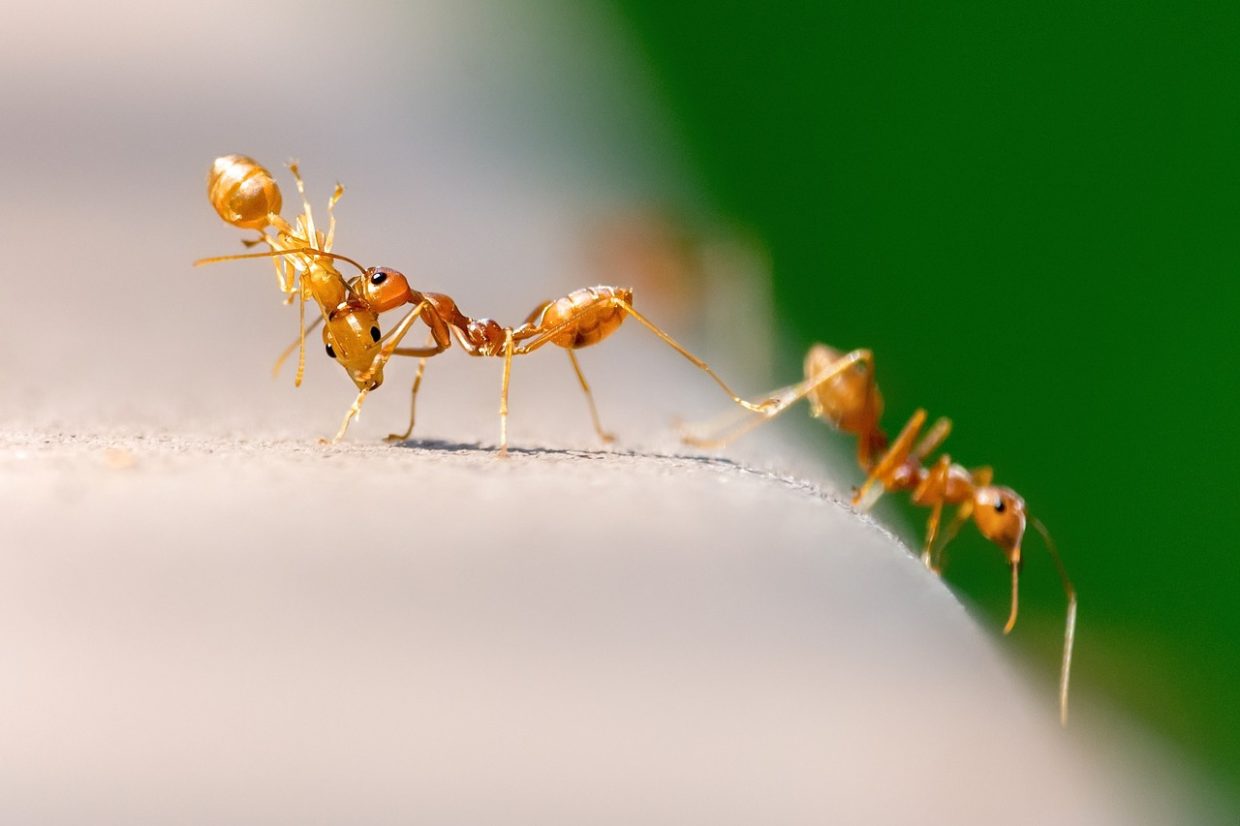
Borax and sugar bait stations eliminate entire colonies, not just individual ants. Mix 1 part borax with 3 parts sugar. Place small amounts in bottle caps near ant trails. Worker ants carry the mixture back to the colony, eliminating the queen and larvae.
How to get rid of ants in the house quickly using scent deterrents
Ants navigate primarily through scent, making aromatic deterrents surprisingly effective. I’m not claiming to be an expert here, but the entomology research clearly shows these compounds interfere with ant communication systems.
Essential oil barriers create invisible walls ants won’t cross. Peppermint, tea tree, and lemon oils work best. Mix 10-15 drops with water in a spray bottle and apply around windowsills, doorframes, and baseboards.
Coffee grounds and cinnamon work through different mechanisms. Used coffee grounds alter soil pH around entry points, while cinnamon contains compounds that mask ant pheromones. Sprinkle generously around problem areas and refresh weekly.
Chalk lines might sound ridiculous, but calcium carbonate in chalk disrupts ant scent trails. Draw thick lines around entry points – most ants won’t cross them.
Kitchen-specific natural repellents
The kitchen requires food-safe solutions that won’t contaminate your cooking surfaces. Lemon juice works exceptionally well here – the citric acid destroys pheromone trails while leaving surfaces clean.
- Wipe counters with lemon juice after cleaning
- Place lemon peels near ant entry points
- Store bay leaves in pantry corners – ants avoid the scent
- Keep the refrigerator area clean and sealed
How to repel ants naturally by eliminating attractants
Before you dismiss this as another cleaning lecture, consider the psychology behind ant behavior. These insects don’t randomly wander into homes – they’re following specific chemical signals that lead to food and water sources.
Most people focus on killing visible ants while ignoring what brought them inside. The sources I found paint a different picture: successful ant control requires removing the invitation, not just the guests.
Moisture elimination is critical. Fix leaky pipes, wipe up spills immediately, and ensure proper ventilation in bathrooms and kitchens. Ants need water sources, especially during hot weather.
Food storage protocols must be airtight. Transfer cereals, sugar, flour, and pet food into sealed containers. Even microscopic crumbs can sustain an ant colony for weeks.
Garbage management goes beyond regular emptying. Rinse containers before disposal, use tight-fitting lids, and clean the area around bins weekly with vinegar solution.
Identifying and sealing entry points
Ants can squeeze through cracks smaller than their body width. Inspect these common entry points:
- Window and door frames – seal with caulk
- Pipe penetrations under sinks
- Electrical outlet covers on exterior walls
- Foundation cracks near ground level
- Gaps around air conditioning units
How to naturally kill ants using homemade bait stations
Commercial ant baits work on a simple principle: slow-acting poison that workers carry back to the colony. You can replicate this effect using natural ingredients that are safer for your household.
Cornmeal bait causes digestive issues in ants. They can’t process the corn properly, leading to elimination of the colony over 1-2 weeks. Mix cornmeal with a small amount of sugar to attract them.
Baking soda and powdered sugar creates a chemical reaction in ant digestive systems. Mix equal parts and place in shallow dishes near ant trails. The sugar attracts them while the baking soda disrupts their internal pH balance.
Honey trap stations work for immediate removal of visible ants. Spread honey on cardboard pieces and place near ant trails. Check and replace every 24 hours, disposing of trapped ants.
Timing and placement strategies
From the projects I’ve observed, bait station effectiveness depends heavily on proper placement and timing. Ants are most active during cooler parts of the day – early morning and evening.
Place bait stations along ant trails, not randomly around the house. Follow the ants to identify their primary routes between entry points and food sources.
Long-term prevention strategies for natural ant control
Here’s what most articles won’t tell you: one-time treatments rarely solve ant problems permanently. Successful ant control requires ongoing prevention strategies that make your home less attractive to future invasions.
Seasonal maintenance schedules align with ant behavior patterns. Spring requires sealing entry points as colonies become active. Summer focuses on moisture control and food storage. Fall preparation prevents overwintering ants from establishing indoor colonies.
Natural barrier maintenance keeps deterrents effective. Essential oil sprays lose potency within 2-3 days. Coffee grounds need refreshing weekly. Diatomaceous earth becomes ineffective when wet.
Monitoring systems help detect new ant activity before it becomes a major problem. Place small pieces of honey or sugar in corners monthly – if ants appear within 24 hours, you have an active problem requiring immediate attention.
When natural methods aren’t enough
Let me dig into what the research actually shows about natural ant control limitations. Certain ant species, particularly carpenter ants and pharaoh ants, require professional intervention due to their nesting behaviors and resistance to common deterrents.
Signs you need professional help include:
- Winged ants appearing indoors (indicates established colony)
- Structural damage from carpenter ants
- Multiple species present simultaneously
- Ant activity persisting after 4-6 weeks of consistent natural treatment
The key to successful natural ant control lies in persistence and understanding ant behavior rather than relying on single “miracle” solutions. Most effective approaches combine multiple methods – elimination of attractants, physical barriers, natural deterrents, and ongoing monitoring.
I’ve seen enough marketing copy to spot the real story: natural ant control works, but it requires more effort and consistency than chemical alternatives. The trade-off is a safer environment for your family and pets, plus the satisfaction of solving the problem without harsh chemicals.


